
Welcome! This space is for folks preparing for the ASCP – MLS/MT/CLS exams.
Thank you to the foreign visitors to my page (108 international locations and counting). I took the ASCP exam but the ASCPi is the international equivalent of the same exam. The competencies tested are the same.
If you have any questions, comments or suggestions, they are always welcome and appreciated. Your email will not be displayed.
MORE UPDATES!____
Hemoglobin electrophoresis for the ASCP exam. The last 12 slides are 6 questions (to test your knowledge) and 6 answers (to cement your understanding) for the exam. Take a look and let me know what you think.
How to Solve an Antibody Panel now posted under Blood Bank
Gram Negative Diplococci chart updated
Obligate Anaerobes chart updated
Random Cartoon Questions
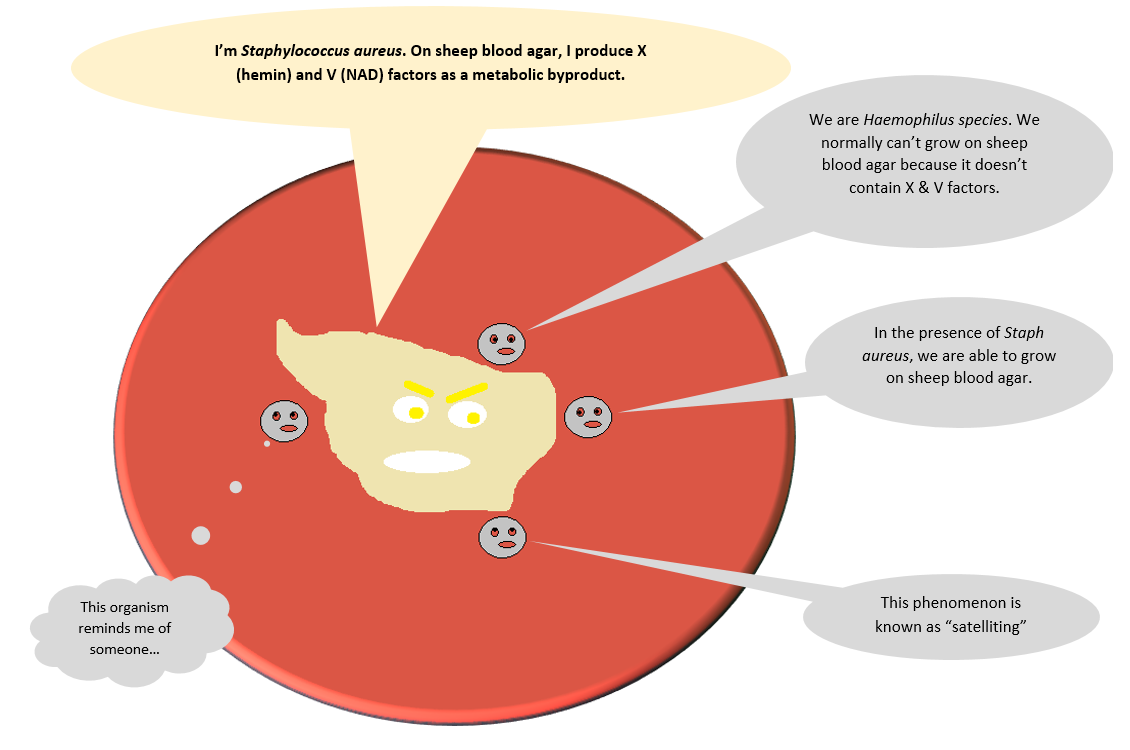
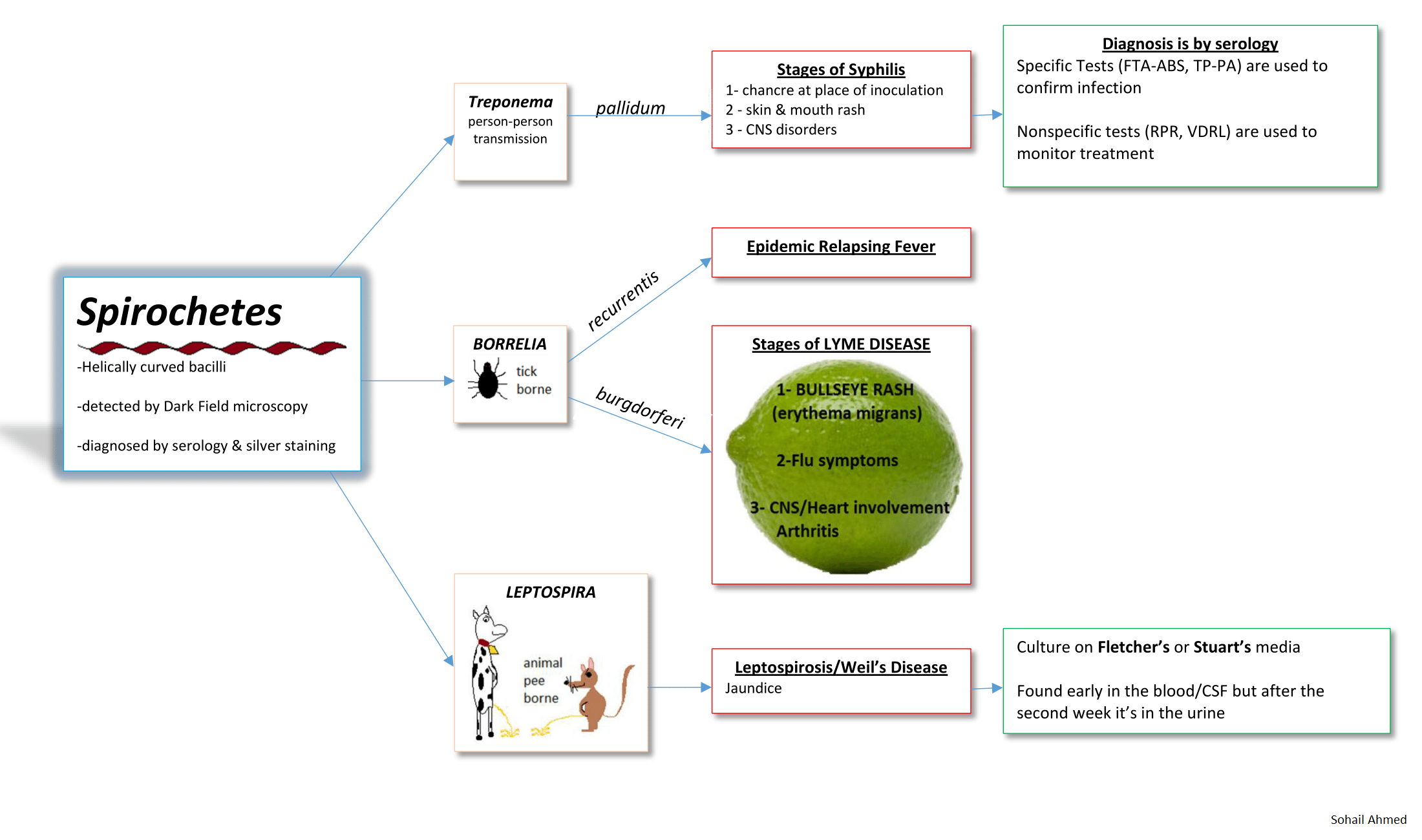

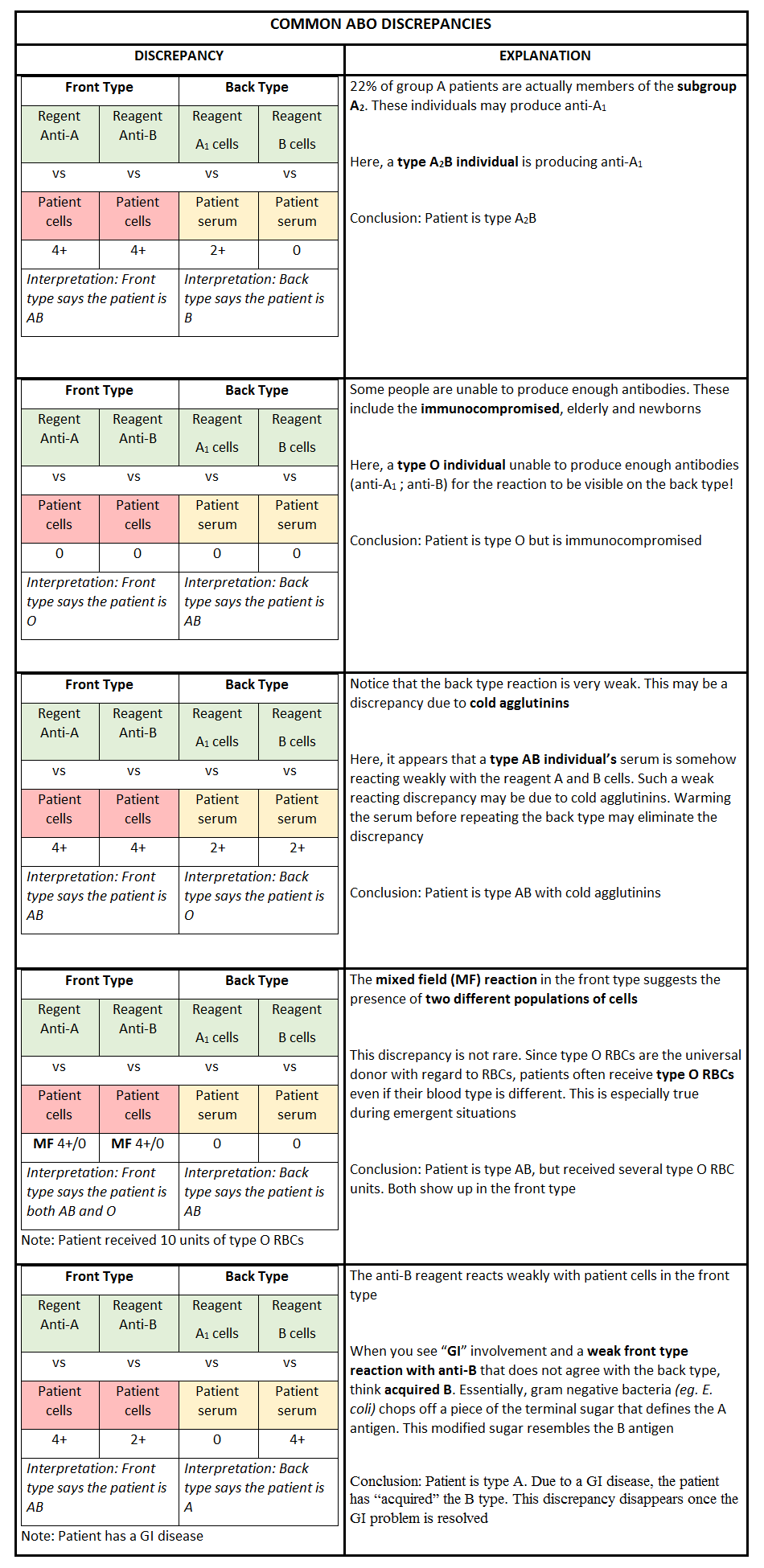
 wordsology

My ASCP MLS exam is on january 30. didnt really get a chance to study a lot. but this site is motivating me. I am going to sign up with the LabCE and also mostly study from the polasky cards. I will keep you all updated. keeping my fingers crossed.
Did u pass?
nope 😦 I was 4 points away from passing. Rescheduled it for May 21st. There was a lot of Blood Bank and Micro questions. I wasnt prepared at all.
RETOOK THE EXAM MAY 21ST AND PASSED!! YAY!!!! THANK YOU SO MUCH FOR THESE POSTS AND NOTES, COULDNT HAVE DONE IT WITHOUT-ESPECIALLY THE MICRO FLOW CHARTS.
Glad u did! So what did it help u this time? Please share
Sohail why didn’t u reply for my questions ???!!!!!!!
I passed the ASAP BOC for MLT yesterday morning and I wanted to say that I could not have done it without this site’s study plan and all the great information shared. I look forward to putting together the questions I experienced per subject and posting them here
I will be taking Molecular Diagnostics this Spring and finishing the MLS portion of this program in the next year and a half – So only one more ASAP BOC Exam to go.
Again, I want to say Thank You!
Congratulations and thank you for your excellent feedback! Good luck on the next exam also!
Hii
Can you help me abt this exam?
Can u tell me wt books used for ghe prep of MLT exam?
Thnx
Hi ,how can i get q/ a?how to subscribe?
hey there, just check the menu at the top
Hello, I need some advise. I’m studying for the MLT exam and I have been using the BOC book and their app. A fellow student took the exam and this book didn’t help much, it was the grace of G-d. I know everyone is different in their study habits, but should I really be looking at the Polansky cards and Labce? I have already spend a lot of money on this book and can’t afford both of these. Now it looks like I have to consider paying for more. If you had to choose between the Polansky cards and Labce, what would you do? Consider that I do have this BOC book.
Thanks
Some people have mentioned finding the BOC book useful. Most, including myself, didn’t find it so. In the end it comes down to how prepared you already are. If you are prepared then I think the BOC book may work for you b/c it’s hundreds of facts, rapid fire. If you aren’t well prepared, i’d go with labce and Polansky.
Lab ce questions $35 for one year, and also the funny book- yellow and purple book I have forgot the name. So far 5 people I know have used both and passed. Good luck
hey there
I want to take MLT exam so what your suggestion for what can i read to pass that exam
many thax
I was wondering if anyone could help me with passing the ascp mt exam? I missed passing it last time by two points and I mainly used the book success in clinical laboratory science, laboratory science review by Robert harr, the green book from ascp, and notecards by Polansky.
I just took my MLT exam tonight! I passed! WOOT WOOT! For my studying I used Clinical Laboratory Science Review – a bottom line approach, and I used the BOC book. I did subscribe to LabCE – I may did about 9 review exams. My scores for those were upper 60s and low 70s. I also used the high yield notes from here and I would totally recommend you know them inside and out! I didn’t get asked everything on them, but those micro flow charts are LIFE savers!
For me, the best resource was the bottom line approach. I am weary of just using LabCE or the BOC book because I feel like I’m just memorizing questions, and from the 9 review exams I took on LabCE, it does repeat questions. Sometimes it would ask me the same question it asked me at the beginning of the exam at the end of it…sooooo. Annnd there are several questions in the BOC book that either a repeat OR they provided the same answer they did for the previous question. For example, see question 215 and 216 on page 197. I really think the key is relearning the material or refreshing your memory on the material so that you can answer any question they throw at you, vs, well I memorized these questions and their answers. Now the BOC and LabCE are great tools to gauge what you know, and I do think that the more questions you see, the better off you are.
As for what I was asked – I was given a panel – these are easy points. Really, they give you the possible antibodies and all you have to do is focus on those. I was asked some very basic things like, B cells produce…. Thrombin time and why it would be increased or affected. I was asked about Beer’s law (yeah… I totally look over that… not). I was asked about absorbance, also I had two hematology histograms – see pages 204/205. It was like those but not those questions. I had several (maybe 4) TSI slants… sometimes I was given the picture, sometimes not. I was given two or three questions about agars and what grows on them, or if they were this color, what did that mean. I had several questions about which of the following would be VP positive, this positive and this positive and I’d have to pick the answer. I think I had three of those. I had a question about keratitis and the answer was Acanthamoeba…The Bottom Line book has a lot of quick and easy ways to remember things, like for keratitis and Acanthamobea… Kerry, aCanthamoeba causes Keratitis; associated with trauma to the eye. I was asked about Enterobius vermicularis… both were a pic to id it from (very similar to the ones in BOC but just had more of them in it), and then a question about what test you’d use to ID it but it still gave you the picture of Enterobius, so make sure you can ID them. I had some questions about glucose ox. converts glucose to gluconic acid …….. I picked and the answer is H2O2.. thank you bottom line! I had two questions that gave you a urinalysis and it would show you a pH and then say they found these crystals… what would you do. There is one like this in the BOC book. All you’re doing is looking at the pH and then thinking, is those crystals acidic or? What should you do? I had several questions about D/fetal/mom… those are to be expected. I had several questions about prehepatic. hepatic and post/obstructive… several, maybe 4 or 5? Sometimes they were easy and sometimes I had to really think about them. There is a wonderful chart in the Bottom line book that is a life saver if you ask me. Also, be prepared to see enzyme questions – liver and heart. I think I had two or three. I had several questions about discrepancies in ABO… like is it an auto, allo, subgroup, rouleaux…. I knew going in that BB was going to be my weakest. Uh, I did not have any questions regarding hep B, but I did have some on hep A. I had several questions on principles of antigen-antibody testing, like immunofixation, agglutination, etc. I had some questions on elutions, adsorption, neutralization so make sure you look over those and understand them.
I did not get any questions on crystals (none that required me to ID them), none on casts at all. I did get asked about the nephron and what is happening where, filtration rate, silly stuff. I did have some questions regarding rbcs and disorders or diseases so be ready for those.
I started the exam with what I thought were super easy questions. I breezed through the first 10-15… then I started to get questions where I had to really think. I started to get easy questions around mid 80s… and the last 10 were pieces of cake (well, I think I might have missed one of the last 10). I felt good in the first ten… about question 30-40 I was thinking I was not going to pass, and kept thinking, ‘ask me about those damn TSI slants! Where are my micro questions!? Urinalysis? Screw these immuno and bb questions”. When I got to question 90 and started seeing super easy ones I felt good. I did review my exam and changed maybe four or five questions, three I had misread and the others I just said what the hell.
My advice is to find a good review book or note cards and refresh your memory. I love the Bottom line because it gave me the cliff notes on everything! Plus it had neat ways of remember stuff, and also wonderful charts. Charts and graphs are a WONDERFUL tool and huge help. I highly recommend you know the high yield notes here. They are a life saver. Good luck to those of you reading this that still have to take the exam. LabCE is great to give you an idea of where you are at and to prepare you for getting a question about micro and then three about this subject… the BOC book is good, too, I just wouldn’t depend on it. I found several errors and I wasn’t really looking that hard and only looking at the MLT questions… who knows how many errors are in the book. So beware if you use it. Good luck! -and thank you to the guy who created this site and supplied us all with those notes!!
Hi,i need help,i failed twice,i want to reapply for third time but i heard i have to wait for one year,is it true?
No you don’t have to wait a year. I failed twice also. When did you take the second exam?
Has anyone used the ASCP app on their phone to study from? I was just wondering how useful it is compared to the actual MLS test.
After failing the ASCP BOC exam twice I retook the exam and passed! I used the success book for urinalysis, hematology and immunology and serology. I used all the diagrams posted on wordsology and they were all very helpful. I also used labce in different variations using the suggested % (off this site) as the minimum requirement.
As we know the exam is a CAT so no exam is predictable as to what you should focus on. My 1st time taking exam it seemed like a horrible hematology exam, 2nd time it was filled with microbiology and 3rd and final time it was immunohematology based. Meaning that the questions were centered around that subject. So it can be a heme question but indirectly relating to immunohematology.
I had about 20 questions that were direct. The others not so much. Don’t try to guess what they’re asking for. Read the questions thoroughly and answer what they’re asking. That might seem obvious but sometimes seeing familiar terms in an answers throws you off and you might lean towards that answer.
Here’s so concepts that I realized was a major component of the questions.
IMViC system
Many GN Bacilli
Factor deficiencies
Typical Mycology organisms
Renal pathology. (Success urinalysis section was the best study material)
~5 leukemia questions
Although rare I had about 6-8 panels that were no as direct as Labce
*Answer what they’re asking for. Don’t look for a “trick” don’t be paranoid.
Use anything possible to remember any and everything that you have to think twice about while studying.
ie:
IMViC
PEE: IM (+) positive you’ll have to PEE
Proteus Vulgaris
E. coli
Edwardsiella
Are “IM” indole & methyl red positive. Along w/ studying chart off wordsology you will be able to id organisms w/ out a doubt.
Hopefully that was a little helpful to at least one person. Don’t give up!!!
I had never heard “IM positive you’ll have to PEE” before. That is helpful, thanks! I will be taking the exam in a couple months so every little bit helps.
Thank you for this website about the helpful information/suggestion in studying the ASCP-MLS exam. I took the MLS-ASCP exam and passed. I thought that I would fail because I had many case studies (hematology, syphilis, chemistry) and blood bank questions on my first 50 questions. I reviewed my answers 4 times and I always pray every time I changed my answers. Before I finished the exam, I prayed so hard. Here are some of the questions I remembered that I immediately noted after the exam. I do not have all answers but the questions would be helpful in studying the ASCP exam:
1. What enzyme is increase in mumps?
a. Lipase
b. Creatine Kinase
c. Lactate dehydrogenase
d. Amylase (I answered this one because I associate the saliva with amylase)
2. Cushing syndrome causes
a. Hyperglycemia
b. Hypoglycemia
c. Hypercalcemia
d. Hypocalcemia
***(I think high glucose since Cushing syndrome has high cortisol, which increases glucose)
3. Case studies about lactic acidosis, and which patient reflects lactic acidosis.
4. What is (TP x 100)/(TP + FN)
a. Sensitivity (I answered this one)
b. Specificity
c. Precision
d. Reproducibility
5. Questions about two methods showing positive and negative result
Positive Negative
Method 1 50 98
Method 2 100 90
***I could not remember the choices but it is about if Method 1 is more specific than Method 2 or is Method 2 more sensitive than Method 1.
6. Preferred specimen for tacrolimus (but I could not remember the other names of the drugs)
***I think I selected whole blood
7. Preferred testing for Legionella.
***I could not remember the other choices but answered urine antigen testing ( I read this question before).
8. What is the immunity test (I think it was immunity, I could not remember but something like that) for CMV?
a. Latex agglutination
b. Heterophile test
c. Culture
d. Electron microscopy
***I got this one wrong coz I selected latex agglutination but I could not remember the source but it says viral culture. Check this link http://labtestsonline.org/understanding/analytes/cmv/tab/test/
9. Specimen for rotavirus
***I answered stool
10. Specimen for whooping cough
***I answered nasopharyngeal swab
11. Sezary syndrome is:
a. T cell lymphoma
b. B cell lymphoma
***I could not remember the other choices. I think it is T cell
12. Which of the following shows dosage (or does not show dosage, I could not remember) but memorize the antibody that shows dosage
a. M
b. FYa
c. E
d. Leb
13. Questions about appearance of 3 CSF tubes.
14. Question about describing sensitivity of syphilis ( I could not remember the choices)
15. Patient has walking pneumonia but treatment shows penicillin resistance because:
***One of the choices “no cell wall”
16. Magnesium must be monitored in
a. Pre-vomiting
b. Pre-eclampsia (im not sure but I selected this one)
c. Diarrhea
17. Antibody panel to rule out
18. Increase in jaundiced with pancreatic mass (something like that)
a. AFP
b. CA19-9
c. CEA
d. Beta-hcg
19. Normocytic, normochromic, normal WBC, normal platelet, but retics is 0.1%
a. Pure red cell aplasia
b. Fanconi’s anemia
c. Aplastic anemia
20. Blood smear picture that looks like Howell bodies, the retic is 18%, the technologist should stain with?
a. Stain Heinz- body staining
b. Prussian stain
c. Repeat retic
***(it confuses me because Retic was 18% and the blood smear looks Howell bodies but I selected Heinz body staining)
21. What is the problem or effect of dextran sulfate as anticoagulant in blood transfusion (something like that)
a. Destroy D antigen (something like that)
b. Solubility like antigen activity
***Cold not remember otherrchoices
22. Pictures of Stomatocytes, what disease is associated?
23. Pictures of Burr cell, what disease is associated?
24. CBC result, Hct did not match Hgb (Hbg x3), what causes the false increase of Hgb?
***one of the choices is lipemia
25. Rouleux is undetectable at?
a. Room temp
b. AHG phase
c. Could not remember other choises
d. IS
26. Target cell blood smear, what is the effect of target cell on instrument (something like that)
27. Adrenal cushing syndrome causes:
a. ↑ACTH ↑cortisol
b. ↑ACTH ↓cortisol
c. ↓ACTH ↓cortisol
d. ↓ACTH ↑cortisol
28. Pic of blood smear with artifact something like:
29. TSI = A/A and oxidase +
a. Aeromonas
b. Pseudomonas
c. Enterobacteriaceae
d. Serratia
30. Pink colony on Mac, citrate positive, Lysine=neg, Ornithine posiive, Arginine positive
a. Kleb Pnuemonia
b. Kleb oxytoca
c. E. aerogenes
d. E. cloceae
31. Cystic fibrosis associated with P. aeruginosa and organism that is catalase positive, oxidase positive:
a. Acinetobacter
b. B. cepacia
c. Could not remember other choices
32. Disease associated with unconjugated bilirubinemia
33. ANA picture that look like the pic (I answered centromere, be familliar with ANA pattern)
34. Donor deferral questions
35. Acid-fast bacilli, potassium permanganate is used as: (I saw this on ASCP-BOC book)
a. Quenching agent
b. Mordant
c. Dye
d. Decolorizing agent
36. Gram negative tapered ends
a. Fusobacterium
b. I could not remember other choices
37. Pic of coccidiodes
38. Platelet irreversible aggregation
39. Calculation of cell count
This will be a great help i’m sure. Thank you so much!
Hi chellezy.
Congratulations!
1.What are the study materials did you use?
2. How much time did you review?
3. Study habits or review habits/schedule? Daily, time frame for each of the subjects?
I ask these because this will give me an idea as well as others on how they could start to review and manage time.
Thank you.
Thank you for the tips you have provided especially the micro charts. You are helping many of us. Keep up the good work of this website 🙂
Hi Chellezy 78.
Congatulations!
What study materials did you use? How many months did you review?
Hi Shhh:
I just graduated last December 2014, and took the ASCP last January. I follow all the tips from this website such as subscribing to the labce.com, studying the microbiology charts from wordsology, Polansky card, and Harr. I also reviewed the ASCP book but I made sure to understand the question because the answer section does not provide detailed explanation. As for the length of time, It depends and varies in every individual. In my case, I started to review during my last semester ( around October 2014) by reading the review books. I made sure that I answer questions on labce frequently (maybe 100 a day) and it became my routine. Do not be overwhelmed on the microbiology section of the labce.com because there are too many difficult questions that I don’t think are useful for the ASCP exam. I strongly suggest to study micro through the chart on this website at wordsology. Then, I read 50 to 100 questions on the review books. Also, try to create mnemonic to reinforce retaining some confusing information ( the book below has great mnemonic ideas. The prehepatic/hepatic/post hepatic diagram is a great way to remember because they are always on the ASCP exam either on hematology or chemistry section).
I would recommend to go to the testing center the day before the exam so that you know the location. It helps me familiarize the area and it lessens nervousness.
Thank you for your contribution ill be taking the exam hopefully on ber month 🙂
Hey did you pass?
Hi, your site was given to me by my sister. I am interested in taking the exam just for personal satisfaction. I did not use my education in medical technology that is why I want to try if I can still remember some of our subjects. I hope you can help me. Pls give me notes if you have and ideas on how to best remember topics. It has been 19 years since I graduated from college. Thank you and hope to hear from you soon.
Check out the website links above. You’ll find plenty of notes. Good luck.
Hi! I did my MLS exam last year, October and passed but I have been having a very hard time trying to get a job. I don’t know what to do anymore. Anyone with some advice or tricks I can use to get a lab job. Thanks guys!
Hello.
Anyone who knows, just in case i didn’t take the exam on the scheduled date will that be considered as “failed” and that takes out 1 out of 5 chances to take the exam again?
From the website: “If you wish to reschedule your testing appointment, within the three month period, you must contact Pearson Registration at least one full business day (24 hours) prior to the date and time of the test to reschedule another date within the same three-month period.”….”If you call within 24 hours (one full business day) of your appointment, you will not be permitted to reschedule and you will be considered a “no show”. You will not receive any refund of your application fee nor can it be transferred to another examination period.”
I am aware of the 3 month period. If it’s outside the said timeframe then what happens?
You don’t have the option to “reschedule” outside of the original 3 month period. You get a “no-show”. http://www.ascp.org/pdf/boc-pdfs/exam-preparation-administration-handbook.pdf
Thanks so much for helping!
i did pass my exam last march 18 =D
lots of question about blood typing, ANA , mixing studies, and some weird bacteriology question…
Lactose fermenter, Oxidase + , A/A… choices are enterobacter, pseudo, hafnia and seratia..
then, picture of red cell inclusion, TP/TP + FN ,
Thank you for the info. It looks like high yield topics are still in vogue.
I passed my ascp thanks to this website, a lot of blood bank questions, blood bank discrepancy, i had one panel which was fairly easy. a lot of questions what would you do given certain results. coagulation know what causes abnormal pt and aptt. mycology i got one picture, chemistry a few questions on instrumentation, for immunology hep marker that is common to acute hepatitis and a pass infection i chose anti-hbc, also markers for EBV and CMV infection, 2 questions on ANA patterns and the antibody associated with that specific pattern, for micro i had to differentiate between salmonella and citrobacter, also differentiate between the enterobacter species, thanks to your micro charts i was able to answer these questions.
Good luck to everyone
great to hear!
I just wanted to say thanks. I used all the notes you provided and passed the exam today! The Microbiology and coag notes worked like a charm!
I’m so glad to hear! Congratulations!
what notes do you have
I wish to thank the creator of this wordpress for providing high yield notes that are practically so helpful. I found your website 5 days before my scheduled ASCPi exam for International Medical Laboratory Scientist in Riyadh, Saudi Arabia. Your flowcharts and tables benefited me a lot not to mention your coagulation pathway tips. I got a confidence booster while reading your general tips in taking the CAT. At 11:30AM (Arabian time) of 21 March 2015, I took and passed the ASCPi exam after less than a month of reading Polansky’s book and the examination simulation of labce.com. Allow me to share some of the items that were given in my exam:
(1) Inappropriate ADH secretion sydrome;
(2) Specifications of FFP refrigerator;
(3) Components of PCR;
(4) Interpretation of blood smear with sickle cells;
(5) Interpretation of blood smear with polychromatophilic cells;
(6) Interpretation of blood smear with tear drop cells, ovalocytes;
(7) Separation and storage temp of FFP;
(8) Temperature requirement after cryoprecipitate thawing;
(9) Biochemical tests in identifying bacteria like Pseudomonas, Erysipelothrix, etc.;
(10) Antibody panel (simpler than what are given in labce;
(11) Urine chemistry (interpretation of results & clinical significance);
(12) Best presumptive test for stool in dx of rotavirus;
(13) Image of a fungus (Aspergillus);
(14) Motility test for Yersinia (I found it in your Enterobacteria flowchart);
(15) Strength of H antigen: O, A2, B, A2B, A1, A1B;
(16) S-s-u rare blood group (100th question in my exam :));
(17) Expiry of blood when 40% glycerol added;
(18) Donor deferment following aspirin intake;
(19) Interpretation of immunodiffusion (with images);
(20) Photometric measurement of iron;
(21) Laboratory picture of hemolytic patient in reference to serum ferritin, iron, transferrin and transferrin saturation;
(22) Secondary hyperthyroidism (increased total T4 and TSH);
(23) Ion affected by Bromide measurement;
(24) Clinical significance of target cells;
(25) Characteristics of Micrococci;
(26) Hallmark feature of chronic hepatitis B;
(27) Indole difference between Klebsiella oxytoca and K. pneumoniae;
(28) Helicobacter pylori for antral gastritis (biochemical tests);
(29) Anaerobic cocci associated with jaw abcess (choices were Peptostreptococcus & Veillonella);
(30) Clostridium perfringens (double zone of hemolysis);
(31) Equivalent color produced with Hektoen if TSI is A/A, gas;
(32) Interpretation of forward/reverse ABO typing, Rh and antibody screen;
(33) Effect of ACTH administration to blood cell count;
(34) Calculation of the number of blood units for compatibility testing given the % of specific blood group antibodies (2 questions);
(35) VLDL as the carrier of endogenous TAG;
(36) Indicator of nutrition (I answered Prealbumin);
(37) AFP as tumor marker (found in this website);
(38) Enzymes to dx skeletal muscle disorder (exactly mentioned in this website) – AST, LD, CK;
(39) The first cardiac biomarker to rise ff AMI (exactly mentioned in this website) – Myoglobin;
(40) Heaprin as circulating anticoagulant (found in this website);
(41) Protein S and C, their role in hemostasis;
(42) APTT and PT questions (the coagulation diagram in this website is amazing);
(43) Factor 5 Leiden mutation;
(44) Pheochromocytoma (VMA) – found also in this website;
(45) Cushing sydrome (cortisol increased) – found in this website “Adrenal gland”;
(46) Anemia classification based on blood indices;
(47) MCV, MCHC values determination based on an image of blood smear showing red blood cells;
(48) Markers for T lymphocyte like CD3 (choices were based on the role of the specific T cell);
(49) May-Hegglin (found exactly in this website) – giant platelets, thrombocytopenia and hemolysis;
(50) Pelger-Huet anomaly – clinical significance; and
(51) Hb H in Alpha Thalassemia.
More power to this website!
You are a tremendous help to your future colleagues and a testament to good nature. Thank you so much for taking the time to do this, and CONGRATULATIONS charliepcruz!
thanks will study
Hi CC can I ask u if u know the answer to question 33 please…..coz I m taking the exam tomorrow if any body know???? please.
look at the menu bar on top for ANSWERS!
Need help to clear M ASCP. I have time for 3 months so please give me useful tips as how to start and how to progress.
i am taking the MLS exam in a month and some days ive been having nervous break downs about it 😦 this site helps calm me down telling me how to study. Yes, i’ve heard it all about how people have studied for this exam and i agree with the BOC book not being helpful. My school program made us sign up for the Labce as a class requirement and i am glad they did, granted it doesnt help for studying but just to see where you are at and practice questions. I like the Labce. I am also studying the Polansky cards and I feel good about them. I study the cards one subject at a time in the span of a week and do the 50 questions after each study day. I hope this helps.
That’s a great strategy. I’m glad this site helps you in the way you described. It’s heartening to hear, actually. Good luck to you and don’t have nervous breakdowns. You have a good strategy and you’re sticking to it.
Has anyone taken the ASCP MLS exam recently? I take mine in a couple of weeks and have been studying here and there (whenever I am not working or taking care of my kids). I’m looking for pointers, example questions, anything that will help. Thanks!
I just passed my MLS today. This website and the Clinical Science Review book helped a lot. Here’s what I remember from my exam.
Procaine assay-NAPA
Blood unit expiration date when glycerol is added
Apolipoprotein A- HDL
Donor requirements- pick the one that didn’t make the cut. My answer was HCT 37
Lots of antibody panels
What’s indicative of teardrops? Had 2 questions referring to teardrops
Had one on the stain being too blue and what do you do? Decrease ph buffer
Classic Ida pbs
Muscle damage enzymes- ast, ck, ld
Cushings and addisons. Which one has increased glucose and dec
Herease?
Which mycobacteria is in drinking water?
Which parasite can cause auto infection?
What does the rbc morphology look like with hookworm that’s been there for years
How is ldl extracted from HDL? Heparin-manganese
What is creatinine clearance?
What’s the purpose of the caffeine in bilirubin? Take the albumin off
I had no ANA questions
Difference between yersinias? Motility at 25
Acute hepatitis markers
Calculate cv, question gave sd and mean and you had to pick which one had the best cv
One dilution question. It stated off with a 1:2 and made a 1/3 out of that.
Increase urine glucose, what else should correlate with it on a diabetic patient.
No rhizoids- Mucor
I would suggestion writing down the normal ranges whenever they are given to you. Some questions have it and some don’t. It’s helpful for the ones that don’t.
I had a couple acid base questions.
Mixing study questions
Fungal stain- cotton blue
If I remember more I will post.
hi, im taking my exam, well sooner, but still not scheduled,im just wondering is the BOC study guide really helpful?
Hii,
I am prep to giving MLT ASCP exam in next few months but i am ltl bit confused about study material,which books is more useful for this exam? Evryone have diff suggetion so out of this three ,which books ll gonna buy?1) polansky card
2) bottomline approch
3) BOC book
Can any one help me for this ?
Thnks
LabCe and bottomline approch would be good, I used LabCE only and still passed
I would like to thank you wordsology for this website. Some questions submitted here were on my test too. I took it this afternoon and I PASS. I am grateful for the tips and all the MICROBIOLOGY “easy-to-commit-to-memory” system. Loads of BB, IMMUNOSERO, CC and Micro. Deductive analysis and a good grasp of the disease process will put you on safer grounds.
Lots of thanks to you. Ill work on recalls and post them later.
Good luck to you.
Hello,
I got a good 30% Microbiology.. Dimorphic Fungi. Differentiating characteristics of the Enteros. TSI of E.coli , E. cloacea, P. mirabilis and P vulgaris.
LDC : SEA Salmonella, E. coli, Arizona
ODC: YEP + SMS Y. entercolitica Edwardsiella, P mirabilis and Enteros Salmo, Morganella and Serratia
Get a good grasp of the IMVC AND THE LOA REACTION profiles of the following: YOU WILL BE GIVEN A SET AND ID THE DISCREPANCY…
++–
E coli
Morganella
Edwardsiella
–++
Enterobacter
Serratia
-+–
Salmonella
++-+
Providencia
-+-+
Arizona
Citrobacter
1. Musty basement odor: Nocardia
2. B. anthracis – non motile, non beta hemo
Bacillus spp : motile, beta hemolytic
3. Increased in cathecolamines : Pheochromocytoma
4. Elevated level of aminolevolinic acid in urine is due to presence of : LEAD
5. Order of draw
6. IFA ANA PATTERNS : i got 3
7. Increased platelets, splenomegaly + bleeding is seen in : Essential Thrombocytosis/ Thrombocythemia
8. Branched chain DNA – Signal amplification
9. Purpose of AHG : Detect immunoglobulins present on surface of RBC and serum
10 Picture of PBS.. Too PINK all crenated RBCs and a few WBC all bathe in pink: Acidic
TIBC measure of : FE bound to transferrin
Pseudo Pelger huet anomaly : Myoproliferative disorders
Least reaction with ANTI H : A1
Compute WBC with Hemocytometer
Know all these:
Define: Characteristics of Mucor, Absidia and rhizopus
CV calculation
DILUTION
AB PANEL
RBC morphology and associated disorder : Burr cells and Schistocytes
Obstructive Liver dse.: ALP and GGT
Biliary Obstruction : Conjugated increased
Good luck. Understand the Principle behind all the workings and you will have a good time.. If not sure – confuse.. flag em ..flagging gives you time later after you are done with the 100th item.. to go back to the flagged ones and analyze and be more confident of your choices. Tip: watch your time. Its critical that you are on top of the time element, especially if you are on the last 10 minutes.. and you have flagged a doz. and still stuck on flagged no.1.
Good luck and keep calm. All is good
Hi, thanks for posting this! May I ask what is the meaning of your LOA reaction? Congrats BTW
Wow thanks for all the informations, you guys are great. I will also be taking my MLS in 2weeks. Until now I’m only averaging 53% on LabCE Computer Adaptive, around 59% when It’s not on CAT and 62-72% for individual subjects. I always mess up every time i get to the difficult question and I am losing my patience now. I have Polansky, Harr, Success, Bottomline approach and BOC, but I think some BOC answers are not accurate. I noticed some errors when i compared it from my other notes. Any thoughts of where I stand at the moment? Like chances of passing the test. thank you
I am wondering the same thing. All of my test scores have never been lower than 50% and never higher than 54% but I am scoring really good on level 3 questions usually 65-70%. I am taking my test on the 27th.
I just want to thank you so much for this website. I took the MLT exam on Saturday and I passed. This was my third time taking it. I didn’t know about this site when I took the exam before. I can honestly say this site was the reason why I passed.
Do you remember any of the questions that were on your test? I am taking mine in 2 weeks.
I can’t remember the exact questions but I do know I saw some questions from the polansky cards. My exam was heavy on Blood Bank and Chemistry. The micro charts on this site and http://www.sketchymedical.com really helped me with remembering the micro material.
Passed the MLS exam a couple of days ago. My strategy was to study only micro, hemo, chem, and blood bank. The medialab exam simulators were extremely helpful. I would say that they are pretty accurate too. I was consistanly scoring between 55 and 60% on the MLS adaptive exam and I got a 595 on the actual. The note cards from the author you have listed was a great resource that I pretty much used exclusively. For micro I reinforced it using a website I found called sketchymicro.com. I would highly recommend it makes memorizing super easy.
thanks for the feedback
Hi, do you remember what was your avg difficulty for CAT? Mine is only averaging from 5.5 to 5.9 with 54% rating as of now. 70-85% on individual subjects but mostly lvl 3-5 questions.thank you
I remember seeing 6 A couple times really don’t remember. I was scoring around 70% + on the subject exams. Sounds to me you will do ok.
If tou feel you are ready then you probably are. Also if you are comfortable with how the questions are on those tests then you you should be fine. I was surprised how similar the ascp exam was. I had lots of blood bank and micro questions. The Polanski note cards were the most useful study tool. But for micro I bought a subscription to sketchymicro.com. I can’t tell you how useful it was. There are a couple of free videos on YouTube.
Good luck. Remember you only need a 400 to pass.
Thanks! That’s some boost of confidence and a glimmer of hope. Any calculations on your test? I hate math and i dunno if i should memorize the formulas.
None that I was expecting. no molarity, creatinine clearance, etc. What I did have was a question given rbc, hemoglobin, find the hematocrit and was asked was it correct. You had to know the formula for finding It. Also a question on finding rbc indices (mcv, mch, mchc).
Honestly, I wouldn’t worry about it too much. Lab operations is only 6% so you may only get 1 or 2 questions.
Passed my ASCP MLT exam last Friday, this website helped along with LabCE, didn’t get the bottom line approach but I did order it for MT/MLS study later down the line. Do recommend a mobile app here, called Lab value+ or 3 in 1 Medical reference, this app have some nice information about reference values, a brief description of what each test is for and disease associate with increase/decrease value, cost $2.99, and since we use our smartphone/ tablet so much, its a nice little investment.
Hi, I am getting ready to take my test Saturday and I am so nervous! I have been looking over your high yield notes and have been scoring 65% and up on labce. I just am scared!
pls send us some questions from your exam since i am taking my exam on may 7
this website is very helpful..
thank you!
I just took the MLS exam yesterday and did not pass. I had used Harr, Bottom Line Approach, Polansky cards, LabCE and I had memorized all the charts on this site. I was getting 55-65% on LabCE with a 4.5-5.5 avg diff. I did practice exam every day for 2 months. All I can say is that when I took my test I was prepared and thought I was going to pass. I had a lot of questions from blood banking that was related to front and back types not matching, and a lot of malaria questions. I had only 3 UA questions, 1 Parasite question, 4 Lab operation questions and the rest were Chem, Micro, Hemo, and BB.
That’s okay Andrea and I’m pretty sure you will gonna pass the second time around. It is interesting to note that you said you came prepared but failed.. I’m freaking out! I’m taking mine in a month’s time and I just finished reviewing chem & lab op. just stating heme. did you encounter some questions posted here? were the notes really helped you? I find this site so helpful in retaining important things. Thank you wordsology!
Vernon have you taken yours already? I hope you did great!
Yes I’ve taken the test last april 28th and passed the MLS. I only had 3mins left on the clock when i got to the last question. I wasn’t able to check my answers so i spent my time remaining praying. It was hard, i feel like nothing I studied appeared on the tests, mostly were like critical thinking you’ve learned in school. This site was really helpful too, just patched the puzzle to come up with the best one. :))
I just took my MLS exam today and I passed! Thank you so much to the creator of this site. I’ll try to remember the questions some other time. They were really hard, I didn’t even get to check my answers. I got to my 100th question with 3mins left on the clock. I spent my whole 1min praying then just ended it.
ineed examples exam
I couldn’t have passed my test if it wasn’t for Wordsology and LabCE! I owe it all to those two websites. Thank you so much for your awesome cheat-sheet notes, I learned so much!
Thanks for this website. I passed my ASCP exam in August — although, I felt like it was still TOUGH, I was able to make it through. The Micro page was a life-saver. Sorry for the late thanks, but better late than never! 🙂
Thank you for the feedback. Congratulations on passing your exam (in August)!
Thank you for the feedback. Congratulations on passing your exam (in August)!
Thank you so much for this website- It was, in fact, the most valuable resource for passing the ASCP MLS exam! Since I found this site so useful, I will do my best to add something that helps someone else pass.
First, I don’t remember any of the exact questions, other than the fact that I saw probably 15 that I had seen before. Many of them were the same as Chellezy78 posted, almost exactly. The Sezary syndrome question, the whooping cough question, and the CMV question specifically. I HIGHLY RECOMMEND looking at ALL of the questions that are one this website. The one’s posted by Sohail are almost verbatim. This is what questions on your test will look like. Also, check out all of the questions posted by other commenters. I’m sorry that my brain dumped all of that information immediately after I saw the word “pass”, but many others did remember, and for that I am forever grateful.
My LabCe scores were:
Selected areas around 60-65%
CAT 50-55%
I had no calculations, probably 5 parsasitology/mycology questions, and about an equal number of chem/hemo/micro/blood bank. Maybe 5 graphics to ID (blood smear interpretation, urine cast/crystals, microorganism ID. Most of the chemistry was interpreting lab results, and I had 3 panels that had indirect interpretation questions about them.
I only had 1 month to study for this exam; however, that was after finishing a 1 year post-bacc CLS program. Here are my personal helpful hints:
– Use all of the high yield information on this website, but do not expect to just memorize what you see. Be able to APPLY what is in the charts.
– While studying in my coursework, I actually used the SUCCESS book more than my texts. For me, the breakdown was very informative without being so overwhelming like the textbook. If there was something that I did not feel had enough detail, I looked it up.
-Next, I bought LabCe and the Polansky cards. every free moment I had I looked at the cards. For the first 3 weeks, I did LabCe questions 5 days a week. In the beginning, only selected areas and the last week I did at least 1 CAT test per day (5 days). On my “days off” I only casually studied the things that were on my mind like the coag cascade (here’s the video that summed it up for me! https://www.youtube.com/watch?v=MPGe-guZMqM).
-The last week, I used the Bottom Line Approach from LSU. This book was great to just “look through”. I used it to connect all of the “little” things that I recognized from SUCESS/LabCe/Polansky.
My most important tip is this: DO NOT OVERSTUDY! This seems ridiculous, but it can happen!
The night before, I gave myself a “STOP” time for studying, then watched some mindless TV. I got a good nights sleep, ate breakfast, looked through the Bottom Line book (just the pictures:) ), ate lunch, got to the testing center early and walked in CONFIDENT!. For me, that was huge. Although I don’t have my score, I feel like I KILLED that test!
Thats probably TMI for most, but maybe someone like me is out there looking for a little hope, or sign that they can do it, and hopefully this helps:)
In my opinion, LabCe was much harder, but I learned from that. It taught me that I need to READ THE WHOLE QUESTION AND ALL OF THE ANSWERS. And, it made the actual exam feel like a breeze:)
Good luck!
EXCELLENT REVIEW! I would take this individuals advice and go through all the exam questions your future colleagues have posted. Learning from each other and experiencing that moment, “hey I remember that question from the website!” will feel GREAT. Again, thank you for your tremendous feedback.
Hi,
Thank you for this very helpful website. I find it rather confusing about this whole application procedure. I have emailed the ASCP but I feel as If Im not getting the answers i am looking for. I would be really thankful if you could help me with there q’s.
I have an undergrad and postgrad degree from uk (Im from Sweden) and I want to apply for the ASCPi licensure (Medical technologist), am I required to submit my work experience? and also once I have submitted my papers to the approved evaluation companies (by ASCP) would that include the exam fee?
Just curious on how long it takes to get a job. I have my AAB (MT), ASCP (MLT), my Florida Department of Health License, and a BS in Biology. It has been over 2 weeks and I have put in about 9 applications with a recommendation from my MLT Director of Program. Am I just not patient enough. Someone told me it takes about 2 months till people start calling and inquiring. Is that true. I’m getting frustrated and sad.
It can take a bit of time for Human Resources to get back to you. I had the same experience and then all of a sudden I had several interviews scheduled one on top of another. If you’re worried, you can call up the respective HR departments and inquire as to the timeline. Don’t worry.
Thank you for replying. You are right because all of a sudden I had three interviews within a week. Your website helped me a lot when I was studying for my boards. I used your suggested review material and I passed. Thank you again!
Hi,
I want to know abt this website,how can v gt the MT or Mlt exam material? About subscription rule n how cn i subscribe?
If u give suggetion it would b appriciate.
Thanks
Hello! First of all, I would like to thank the author of this site. This is a must to read. Very helpful. I took the MLS(ASCP) exam today and I passed. Look at the questions Chellezy78 posted because I had most of those questions too. I wished I scanned all the questions here and it would have been easier for me. I had many Micro questions including about 5 myco (which I just guessed) and Blood Bank. Here are some things I remembered (without answers).
1. Sezary cell
2. 3 questions about Sensitivity vs Specificity (compare 2 methods)
3. Antibodies detected in Speckled pattern of ANA
4.Enzymatic controls were outside 3SD, while the Non-enzymatic controls were within 2SD, What’s the cause? (something like that)
5.Something about blastoconidia (sorry but I suck in Myco, I just guessed)
6.Previous VDRL result of CSF is positive. But the lab ran out of the reagent. The RPR is done but negative, what should the technologist do next?
Some choices: report is as negative. report as positive, inactivate the CSF and do RPR again, plus one more choice.
7. 2 questions about presence/absence of Bilirubin and Urobilinogen in hemolytic anemia. (you need to be familiar with this)
8.Enzymes to diagnose Muscular dystrophy
9.Be familiar with the Enterobacteriaceae reactions.
10.Be familiar with reactions of Strep regarding NaCl, BE, etc. (I had couple of questions)
11.ABO discrepancies
12.Cause of decreased zone of inhibition in Oxacillin disk diffusion
some choices: using 1.0 McFarland suspension; media pH is 7.2, more
13.When should you do sperm count?
choices:As soon as it is received,
Within 3 hours,
Before Liquefaction,
After liquefaction is complete.
14.What is added before doing cell count of Synovial fluid?
15.Pictures of peripheral smear and you have to check the disease associated with it
I used the BOC app and LabCE, 100 questions/day. I work full time so it is only on my days off that I can scan a book. I only selected some topics to read. (Clinical Laboratory Science Review A Bottom Line Approach and some Polansky cards). And by the way, I graduated 1999 so my brain is not as sharp as the young ones here. ;). Study hard and have faith in yourself.
Good luck everyone!!!
I graduated the same year like you Geo2015.
I took test couple of times and flopped. Lucky you if you’re working in Laboratory field because you see what we studying everyday. As of me i working in the office will not help at all remembering organisms.
Congratulations!
Thank you. You can do it too.
I took the ascp for the 2nd time yesterday an failed. It has been 2 years since I took my first ascp exam. An i forgot just how hard it was. I will retake exam as soon as I can. I used the bottom line approach book an the media lab for review. My final score was 398 so close, if u have any helpful study tips please let me know. An i work in a very small lab so most of the stuff on the exam I have not seen since school. Micro was my worst area. Is 3 months enough to study all the sections to pass the ascp. For my job I have to pass by Nov 1st so it’s pushing very close to my deadline. The requirements are changing, I would suggest students take it right after school you forget alot in 2 years.
thank you for the good advice
Thank you so much for making this site it helped me a ton in preparing for the ASCP MLS Exam I took it today for the first time and passed ! Good luck to everyone else taking it!
hi sohail! i would like to thank you for creating this website, this site, really really helps me a lot, i used this site to review for my ascp exam and thank God i passed the exam last june 5, 2015, to the future ascp takers, follow the 10 step strategy that sohail advised and a week before your exam, scan all the comments here and take note the recalls, really really take note all the recalls because in my exam, as i can remember most likely i have 20 questions from the recalls from this site.
1. PSA px with prostate gland removed 12 months ago, has a somthing like increase PSA result. so what is the condition?
a. Test sensitivity
b. Test specificity
c. Recurrence of dse
d. i forgot the other choice
2. Blood collected from EDTA for bld typing and antibody screen, shows MF rxn on AHG and IS.
a. report result
b. adsorb somthing like that
c. recollect serum specimen
d. i forgot again sorry
3. What causes weak D?
– i answered missing epitope
4. What enzyme increases in alcoholic px something like that
5. 8 yr old px has osmolality of 297, metabolic acidosis, increase glucose
a. lead poisoning
b. ethyl glyco
c. salicylate
6. What is the effect of target cells in automation
7. Walking pneumonia – no effect using penicillin
8. Positive blood rgt strip and negative RBCs in microscopic exam
a. outdated SG strip
b. Ascorbic acid
c. diluted alkaline urine
d. preoteinemia
9. Rotavirus – stool
10. “adrenal” cushing syndrome
11. Vomiting affects what electrolytes
12. severe normochromic normocytic anemia, normal WBC and platelet hast 0.1% retic count
a. red cell aplasia
b. fanconis anemia
c. aplastic anemia
13. presence of dextran in blood typing something like that, what can be an error
14. ph is 7.0 and SG is >1.050 problem
15. picture of pinkish and crenated RBCs with 1 granulocyte that has pink nucleus, what is the cause?
a. pH buffer
b. ethanol fixing
16. Potassium permanganate – quenching agent
17. i had 3 ana patterns
18. what is the product of irreversible aggregation
19. heparin contamination in sample from catheter
20. i had 2 RBC pictures, identify the morphology and disease
21. how to check if the streptokinase does not function well
22. cushing syndrome
a. hypoglycemia
b. hyperglycemia
c. hypercal
d. hypocal
23. i had 1 antibody panel, it does not only ask for the antibody but it asks for the characteristics of that antibody that causes the reaction, so hard T.T
24. describe bastoconidia
25. Lipemia causes increase or decrease hemoglobin?
26.procaine and procainamide
27. what is the purpose of caffeine in bilirubin assay
28.what is the common error in PCR test
29. Bombay phenotype
30. preferred testing for legionella
31. increased in jaundice with pancreatic mass
32. picture of rouleux formation
33. what rgt deteriorates when in use
a. MN
b. Le
c. Jka
d. Fya
34. lewis antibodies in saliva of Le(a+b-)
35. Hba1c levels result in px with sickle cell disease and hemolytic anemia
memorize the bacteriology chart in this website to help you answer the micro questions.
and don’t ever forget to PRAY always and ask God for guidance and wisdom to help you study and pass the exam, 50% study + 50% prayer = 100% of passing the exam 🙂
Good luck future ascp examiners and God bless you always.
Thanks for the excellent feedback and paying it forward. I’m certain it will help a lot of other people.
Just wanted to thank you for this website! I am a nontraditional route and just passes the H exam on the first try! Your website helped calm my nerves tremendously, and I appreciate it so much! Hoping to take the C exam soon!
THAMK YOU!!😀
Hi, I took my MLT on Friday and passed!!!! I want to thank you for this website that encouraged me. I graduate 2 years ago and didn’t work in a field, didn’t take my exam, or consistently study at all. I mostly used LabCE ( bought all the books mentioned on this website but didn’t used them at all). On the test it looked like I had a bit of everything but didn’t think it was hard at all. Thank you so much for all work you do, it helps a lot . Good luck to everybody!
congratulations
thank u wordsology…i just passed my exam on ASCP and i highly recommend this website, ciulla, labce and harr…alot of pictures of fungus, red cells inclusions. i will post later my additional inputs on my exam..thank u agian..
thank you anthonny, I do appreciat it
hello .. istudy on labce do you think is the enough
also dont forget to pray..
Hello Wordsology just wanted to tell you that this website is VERY helpful for the preparation for this hard test. I just wanted to ask you since we only need 400 points to pass the test and you explain that the easiest questions are worth 10 points, Is it logical to think that if we are sure that we have 40 questions right we pass the test? Thanks!