Unlike the other topics, the study of Hematology really starts with learning the reference ranges for various properties of RBCs and WBCs. You MUST know these values in order to answer the types of questions that will be on your exam. They are absolutely necessary for the exam and for the laboratory.
Adult reference ranges
THE single most important Polansky review card, with respect to questions I had on the exam. ★ marks the four you must know cold; the last column is how I rounded them to remember.
| Test | Conventional units | SI units | Easy to remember |
|---|---|---|---|
| ★ WBC | 4.8–10.8 × 10³/µL | 4.8–10.8 × 10⁹/L | 4–11 × 10⁹/L |
| ★ RBC | Male: 4.7–6.1 × 10⁶/µL Female: 4.2–5.4 × 10⁶/µL | Male: 4.7–6.1 × 10¹²/L Female: 4.2–5.4 × 10¹²/L | 5–6 × 10¹²/L |
| ★ Hemoglobin | Male: 14–18 g/dL Female: 12–16 g/dL | Male: 140–180 g/L Female: 120–160 g/L | 12–18 g/dL |
| ★ Hematocrit | Male: 42–52% Female: 37–47% | Male: 0.42–0.52 L/L Female: 0.37–0.47 L/L | 37–52% |
| MCV | Male: 80–94 µm³ Female: 81–99 µm³ | Male: 80–94 fL Female: 81–99 fL | |
| MCH | 27–31 pg | 27–31 pg | Same in both units |
| MCHC | 32–36 g/dL (or %) | 320–360 g/L | |
| Platelets | 150–450 × 10³/µL | 150–450 × 10⁹/L |
10³/µL is the same as 10³/mm³ · µm³ is the same as fL (femtoliters)
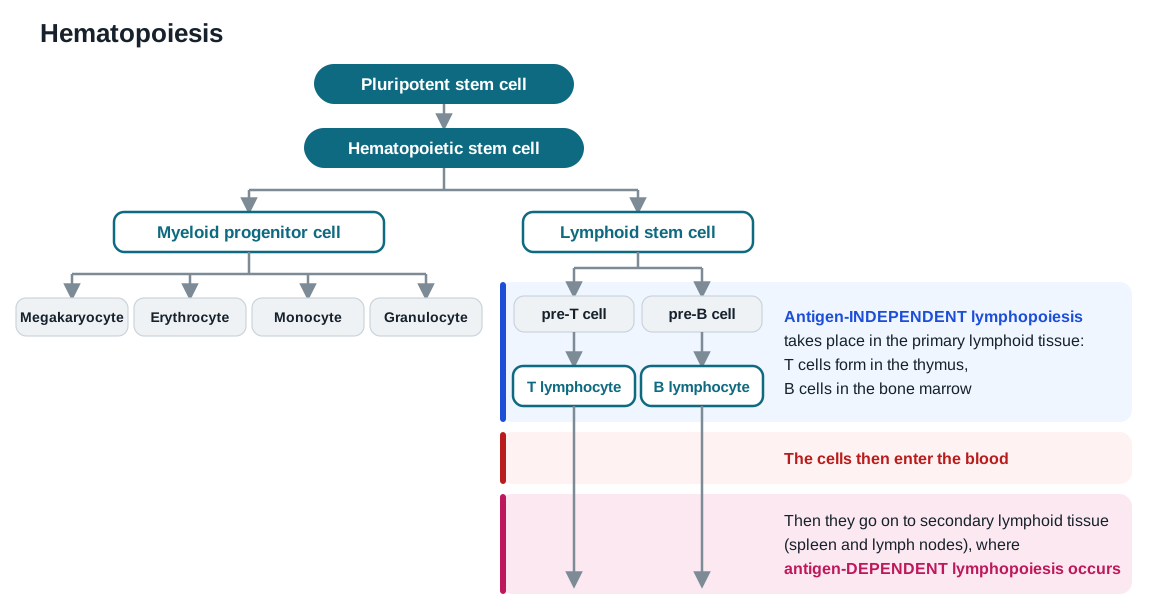
B or T? Mature or not?
You’ll come across questions that require you to know whether you have a B or T lymphocyte, and whether it’s mature or not. In the proper context, this information can suggest what type of cancerous cell you’re dealing with.
| Stage | B lymphocyte | T lymphocyte |
|---|---|---|
| EarlyTdT is common to both types | CD10 (also called CALLA) TdT | TdT |
| Differentiated | CD19 CD20 | CD2 CD3 CD5 CD7 |
| Mature | sIg (surface immunoglobulin) | CD4 CD8 |
CALLA = common acute lymphoblastic leukemia antigen · TdT = terminal deoxynucleotidyl transferase
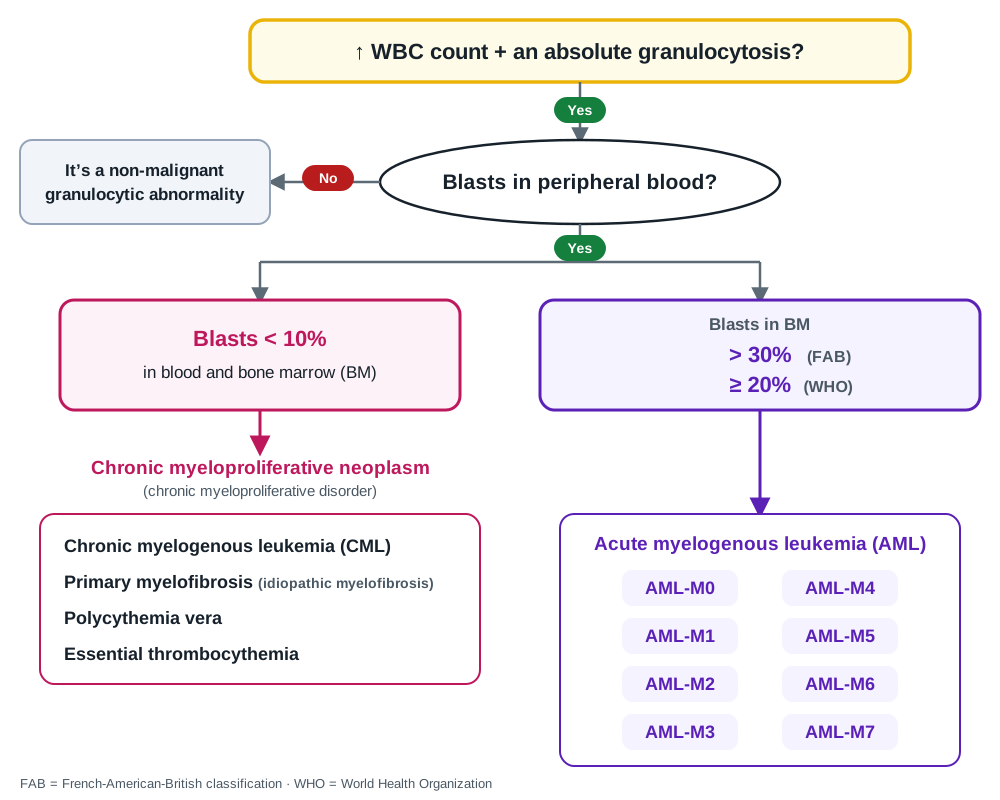
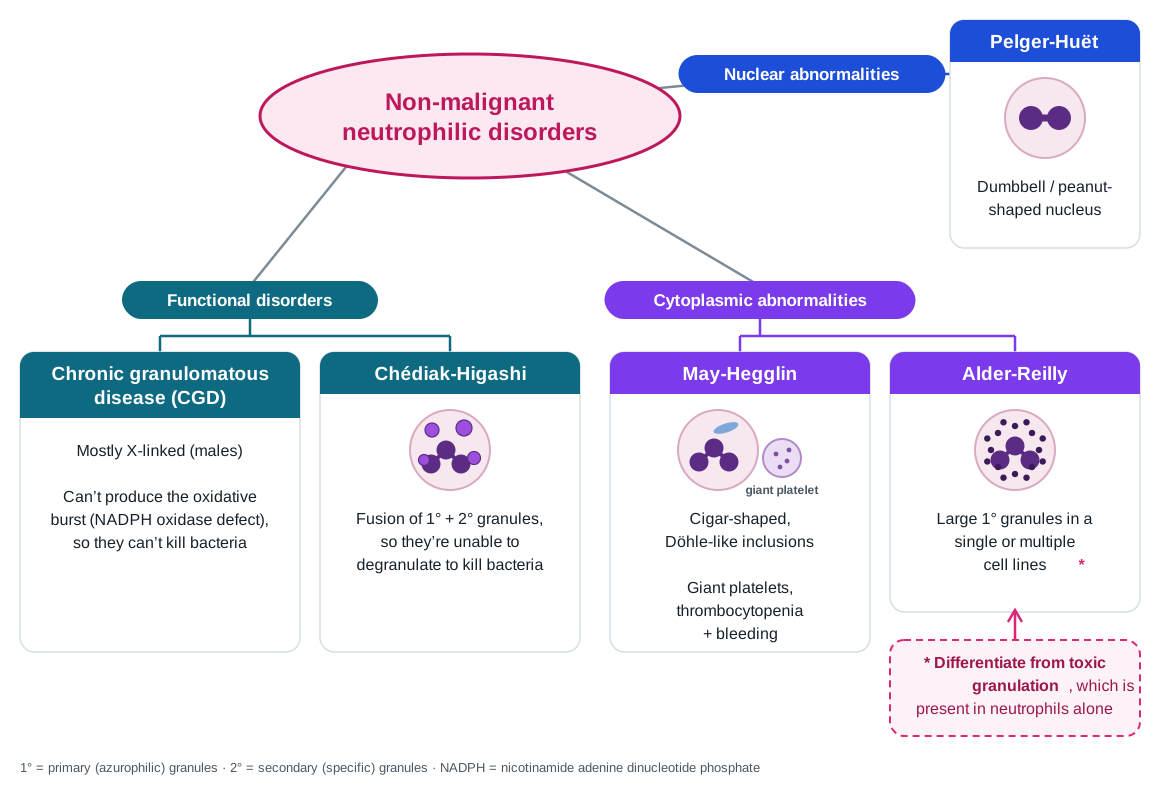
Hemoglobin electrophoresis
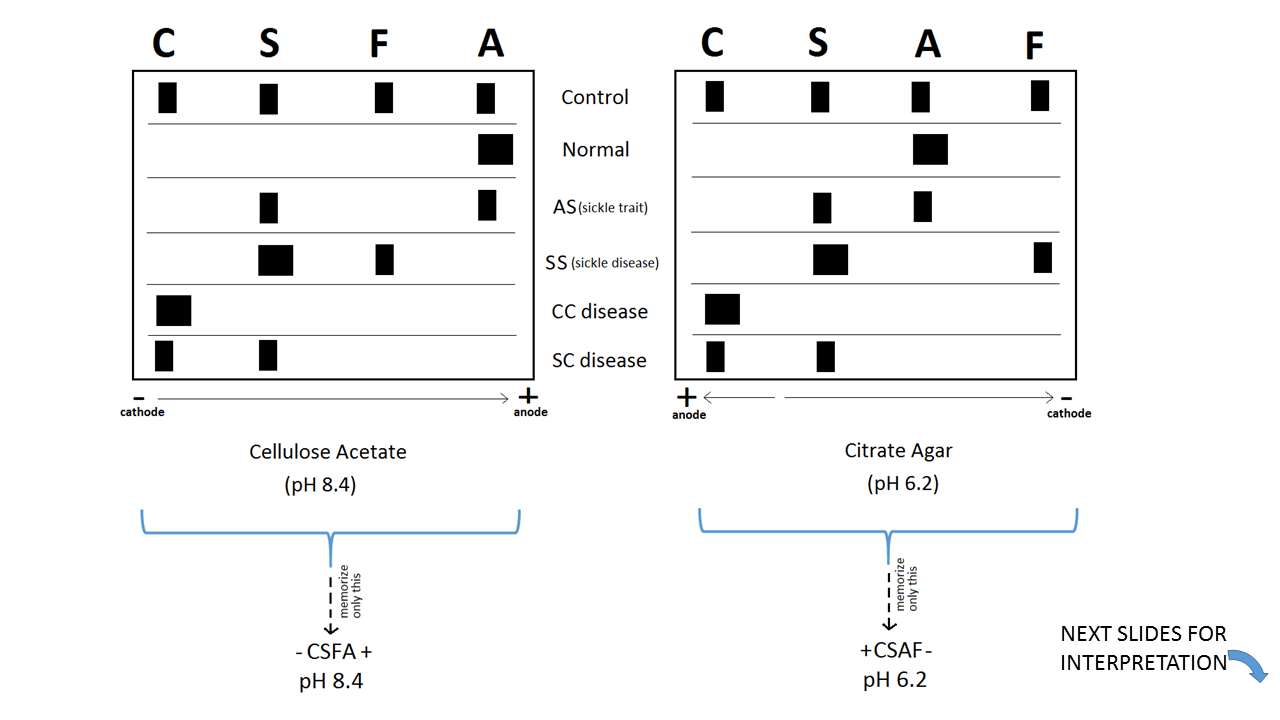
Hemoglobin electrophoresis for the ASCP exam. The last 12 slides are 6 questions (to test your knowledge) and 6 answers (to cement your understanding).
Miscellaneous
Know what increases Erythrocyte Sedimentation Rate (ESR):
- Tilted tube
- High temps
- Macrocytosis
- Rouleaux
- Excess fibrinogens/globulins
- Infection/inflammation
- Low RBC count (anemia)
When it comes to Hemoglobin itself, know what it’s made up of. Know the different types of hemoglobin (A, A2, F, S) and what chains make them up. Why do you would see different types of hemoglobin in certain thalassemias? Know what types of hemoglobin the fetus makes, vs the adult. Know the breakdown products of intravascular hemolysis vs extravascular hemolysis, and the lab findings for each. I just remember having questions about some of these but I don’t recall exactly. These types of questions will come up repeatedly while you’re studying.
Comments